
Meet the FAST Spring 2026 Cohort
- The FAST California Spring 2026 cohort comprises 12 early-stage life science companies selected for a 12-week customized advisory program.
- Companies span neuroscience, oncology, rare disease, medical devices, and digital health, reflecting the breadth of California’s innovation ecosystem.
- Each company works with a curated group of expert advisors to sharpen business models, IP strategy, and milestone-driven scale-up plans.
- The program culminates in the CLS Innovation Showcase, connecting founders directly with investors, pharmaceutical partners, and healthcare systems.
- FAST California cohorts run twice yearly — spring and fall — with rolling applications open at califesciences.org/fast-california.
California Life Sciences is proud to welcome 12 innovative companies to the FAST California Spring 2026 cohort. FAST California provides founders of early-stage life science companies with a customized advisory program designed to help them perfect their business models, assess strategic focus, maximize intellectual property, and develop a milestone and scale-up plan. Over twelve weeks, each company works with a curated group of expert advisors.
The program culminates in the CLS Innovation Showcase, where companies present to an audience of potential investors, pharmaceutical partners, healthcare systems, and other collaborators. This event provides founders with direct access to decision-makers and creates the momentum and visibility needed to advance their fundraising and partnership efforts.
FAST California welcomes companies across the entire life sciences innovation spectrum: drug discovery and development, diagnostics, medical devices, digital health, cell and gene therapies, and beyond. The program has supported founders developing therapies for oncology, neurodegenerative disease, rare genetic disorders, metabolic diseases, and many other therapeutic areas. Companies graduate from FAST having clarified their strategic direction, strengthened their team, and positioned themselves for the next stage of growth.
Cohorts run twice yearly — in spring and fall. Applications for future cohorts are open on a rolling basis. Interested founders can learn more and apply at califesciences.org/fast-california/.
The Spring 2026 cohort spans neuroscience, oncology, rare disease, medical devices, and digital health, reflecting the depth and diversity of innovation advancing across California’s life sciences ecosystem.
Let’s meet the FAST California Spring 2026 companies.
153 Therapeutics, Inc.
Website: 153tx.com
153 Therapeutics is developing a novel small-molecule therapy for Parkinson’s Disease based on research from UCSF. The approach targets Nurr1, a nuclear receptor shown to play a central role in restoring the brain’s ability to produce dopamine and reducing neuroinflammation and oxidative stress.
The team recently completed a proof-of-concept study in an animal model demonstrating strong, statistically significant treatment responses with two test compounds. Further optimization has produced a lead compound with a favorable pharmacology and safety profile; the company is now planning preclinical work required to advance toward clinical trials.
Progress to date has been funded by the NIH, UCSF’s Innovation Ventures program, and the Michael J. Fox Foundation for Parkinson’s Research.
Leadership: Peter Noymer, PhD, CEO

In Their Own Words
“Our inspiration for starting 153 Therapeutics was a combination of exciting science and unmet medical need. For Parkinson’s disease patients, there are no approved therapies that can slow disease progression, never mind therapies that can both treat daily symptoms and slow progression. By cracking that code, we realized we had something that could be transformational for PD patients, and that’s been the main motivating factor as we navigate the challenges of being an early-stage startup.”
Peter Noymer, PhD
AddGraft Therapeutics
Website: addgraft.com
AddGraft Therapeutics is developing a programmable autologous skin cell therapy platform that engineers a patient’s own skin cells to produce therapeutic proteins for local or systemic activity. Its nonviral transfection method enables large cargo insertions at very low cost, and a spray-on formulation allows rapid cell delivery to patient wounds without surgery.
Its lead indication is recessive dystrophic epidermolysis bullosa (RDEB), a rare monogenic disorder characterized by a debilitating cycle of blistering and chronic wounds. AddGraft has already demonstrated human proof of concept, successfully healing two chronic wounds using engineered cells with no adverse safety events. By stably expressing a healthy copy of the COL7A1 gene, the therapy provides durable treatment for wounds at any site on the body.
AddGraft aims to bring its solution to the RDEB community and expand into broader markets across regenerative medicine and chronic disease.
Leadership: Nick Bayhi, PhD, Founder & CEO

In Their Own Words
“My advice is simple: only build things that actually matter. In the life sciences, the stakes are too high and the timelines too long to settle for incrementalism. ‘It works’ is never enough in this industry. You must ensure your technology can move the needle on the patient experience. It’s easy to get up in the morning when you know that what you are building can be the best—and perhaps only—option for a patient. The biotech world is unique because it is largely binary: if you solve a problem that matters, everyone wins—the patients, the providers, and the investors. So ask yourself if what you’re doing is worth the effort it will require. The answer has to be yes.”
Nick Bayhi, PhD
Cerevia Neurosciences
Website: cerevianeuro.com
Cerevia Neurosciences is developing Ladybug™, a first-in-class AI-enabled, mobile fMRI-guided neuromodulation platform designed to restore impaired brain circuitry and cognitive functioning in patients with dementia. Addressing one of healthcare’s largest unmet needs, Cerevia delivers non-invasive, image-guided neuromodulation directly to patients where they live and receive care — including assisted living and memory-care facilities.
Cerevia is a spin-out of Weinberg Medical Holdings, a medical physics venture studio with multiple successful imaging company exits totaling hundreds of millions of dollars in aggregate and over 50 issued U.S. and international patents relevant to the platform.
Leadership: Irving Weinberg, MD, PhD, Founder & CEO; Ida Garakani Good, MA, Co-Founder & COO

In Their Own Words
“Cerevia was founded around a bold but responsible question: can advances in neuroscience, imaging and medical physics be translated into a therapy that can restore cognitive function in dementia and not just manage its decline. Some of the most challenging aspects of being a founder is finding enough SEED capital to sustain the innovation and R&D aspects of the technology, finding the ability to recruit quality talent, navigating the regulatory pathways. I am consistently inspired by other founders who have struggled and overcome some of the same challenges I have faced. I am also centered on the mission and purpose of what we are trying to achieve with our technology for addressing a very dire patient need. My advice to others pursuing a career as an entrepreneur is to find joy in the small milestones achieved, remain in a growth mindset, and grit and perseverance will always help you find the solution.”
Ida Garakani Good, MA
ENU Medicines
Website: enumed.com
ENU Medicines is a biotechnology company developing first-in-class oral therapies for food allergy, leveraging a forward genetics discovery platform to identify and validate novel disease-driving targets. Unlike existing therapies that neutralize circulating IgE or provide allergen-specific desensitization, ENU targets IgE-producing plasma cells at their source to enable durable, disease-modifying treatment.
The platform is built on large-scale in vivo mutagenesis and phenotypic screening, systematically uncovering causal regulators of IgE biology — rediscovering clinically validated targets while revealing novel, genetically validated candidates. Lead programs focus on metabolically selective vulnerabilities in IgE-producing cells, supported by CRISPR validation, mechanistic insights, and early chemical tractability.
By integrating human genetics, rigorous in vivo validation, and structure-guided medicinal chemistry, ENU aims to de-risk target selection and accelerate translational development — transforming genetically validated discoveries into safe, accessible oral medicines for food allergy and related IgE-mediated diseases.
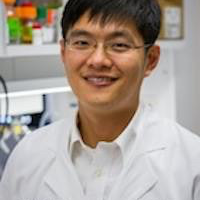
Leadership: Jerry Chen, PhD, Co-Founder & CEO; Jeff SoRelle, MD, Co-Founder & CMO
In Their Own Words
“I was inspired to start ENU Medicines during my postdoctoral training in forward genetics, where we saw firsthand how unbiased in vivo discovery could uncover powerful, causal drivers of disease. In our allergy screen, we identified genetic regulators that dramatically altered IgE production — some suppressing it almost completely. It was striking to see how clearly biology could point to therapeutic opportunity.
At the same time, I realized that many genetically validated discoveries never translate into medicines. There is often a gap between academic insight and disciplined drug development. I felt strongly that these discoveries deserved a path forward. ENU Medicines was founded to bridge that gap — to systematically translate human-relevant genetic insights into practical, disease-modifying therapies. For patients living with food allergy, who face daily uncertainty and risk, we believe targeting IgE at its source could meaningfully change the treatment paradigm.”
Jerry Chen, PhD

Genexgen Inc.
Website: genexgen.com
Genexgen is a precision epigenetic therapeutics company developing programmable medicines to rebalance immune hyperactivity at its root cause. Its lead program, UniGex-01, is an mRNA-encoded zinc-finger repressor delivered via proprietary lipid nanoparticles, designed to selectively down-regulate MYD88 — a master regulator of innate immune signaling. Rather than broadly suppressing the immune system, Genexgen’s approach fine-tunes transcriptional control to restore immune equilibrium.
Its initial clinical focus is Hemophagocytic Lymphohistiocytosis (HLH), a rare, life-threatening hyperinflammatory disorder that offers a rapid, capital-efficient proof-of-concept path in humans. The platform has potential to expand into MYD88-mutant hematologic malignancies and age-related chronic inflammation (“inflammaging”).
Backed by leading academic collaborators and biotech partners, Genexgen is building a scalable epigenetic modulation platform with a vision to transform inflammation treatment — from blunt immunosuppression to precise, programmable immune recalibration.
Leadership: Amir Kiani, PhD, Cofounder and CEO

In Their Own Words
“From an early age, I’ve been deeply fascinated by science and technology, not just as intellectual pursuits, but as powerful tools to solve real-world problems. I have always believed that the most meaningful innovations are those that improve human lives at scale. That belief became profoundly personal when my father passed away from cancer. Experiencing that loss shifted my focus from pure scientific curiosity to purpose-driven innovation.
I began asking myself how I could dedicate my skills in materials science, nanotechnology, AI, and large-scale execution to addressing the biological systems that underlie disease. That journey ultimately led me to found Genexgen. My goal is to contribute to human health in a way that is lasting and foundational; not just treating symptoms, but reprogramming the root causes of inflammatory and age-related diseases to improve longevity and well-being.”
Amir Kiani, PhD
Infixion Bioscience, Inc.
Website: infixionbio.com
Infixion Bioscience is advancing a first-in-class, mutation-agnostic therapeutic platform for Neurofibromatosis Type 1 (NF1), a genetically defined disease affecting 125,000 people in the U.S. and 2.5 million globally. Built by NF1 parents and seasoned drug-discovery leaders, the company operates a fully functional lab at JLABS and has generated compelling proof-of-concept data.
Infixion’s approach increases neurofibromin protein from the functional NF1 allele — directly addressing the root cause of haploinsufficiency without the difficulties associated with gene editing. The strategy has potential to slow or halt progression across a broad spectrum of NF1 manifestations, with applications beyond NF1 where neurofibromin increases can combat disease.
Supported since 2019 with over $4M in competitive NIH, DoD, and foundation grants, Infixion has completed NIH I-Corps, established academic partnerships, and demonstrated in vitro proof-of-concept for its lead sbASO drug candidates. The company is now raising private seed capital to accelerate lead optimization, establish IP, and begin IND-enabling development.
Leadership: Herb Sarnoff, MBA, Founder and CEO

In Their Own Words
“I was motivated to start Infixion Bioscience by the lack of disease modifying treatment options available to people living with Neurofibromatosis (NF1), including my daughter who is now 24 years old. Our company now has four NF1 parents on the core team, all who are dedicated to delivering treatment options for over 2.5M people worldwide living with NF1. Today, patients receive scans and then their various NF1 symptoms are treated, when possible, to minimize impacts. But nothing today treats the underlying driver of disease or is truly disease modifying. For me personally, the greatest challenge has been learning biology and drug discovery & development from the ground up. This fact is often the source of great personal challenge, but can also provide a unique perspective to our team.”
Herb Sarnoff, MBA

Nspire Co.
Website: nspiremed.com
Nspire Co. addresses the “million-dollar baby” problem in the NICU: 15 million premature infants are born annually requiring precise oxygen therapy, yet current nasal cannulas — designed 70 years ago for adults — cause significant oxygen leakage. Maintaining the narrow therapeutic window for infants is critical; too much oxygen causes preventable blindness and chronic lung disease, while too little can lead to neurodevelopmental issues or death.
Nspire has developed a novel neonatal nasal cannula with inserts engineered specifically for neonatal anatomy, delivering effective airway pressure directly to the lungs — a breakthrough validated in benchtop testing against market leaders. Backed by $250,000 in funding and mentorship from the mHUB MedTech accelerator and Baxter International, the solution aims to save NICU facilities $3M annually by reducing length of stay and preventing costly clinical complications.
Leadership: Dieter Rutzen, MS

In Their Own Words
“The company was founded from the Northwestern Biodesign graduate program. The team observed the pediatric population, especially those in intensive care units (NICU, PICU), is significantly under served with current products. This patient population also comes close the team, since the niece of one of our co-founders was born premature and was admitted to the NICU. Happy to say though that she is now healthy. The fact that such a fragile population is being treated with products whose design has not changed in over 70yrs ago and originally meant for adults, made it an obvious low hanging fruit to address.”
Dieter Rutzen, MS

PebRx
Website: pebrx.co
PebRx is a USC preclinical-stage biotechnology company developing therapeutics and diagnostics targeting inflammation of the brain. Its pipeline focuses on novel, brain-penetrant therapeutics addressing neurovascular inflammation arising from dysfunctional lipid trafficking and metabolism.
Current medications for neurodegeneration have limited efficacy and largely treat symptoms rather than underlying pathological targets — leaving a significant unmet clinical need. PebRx’s small molecules are orally bioavailable, potent, and more effective than current therapies in targeting inflammatory pathways.
Leadership: Amy Wang, PhD, MBA, CEO

In Their Own Words
“Alzheimer’s Disease and neurodegeneration has always been an interest for me. My grandmother passed from AD and as we live longer, it is likely something we have to deal with more and more often. I have always loved translational science and the ability to take a discovery from the bench to bedside. The most significant challenges include fundraising/storytelling and designing the right experiments or asking the right questions. Diseases are so complexed and it’s not easy to replicate a disease in a petri dish or in a mouse. So understanding the disease and figuring out the best approach to treating it is never straightforward. The most inspiring is when we have a breakthrough and all the puzzle pieces fall into place. It’s the most exciting feeling! It takes a lot of grit and failures before there is some glimmer of success. But it is worth it and the patients appreciate it.”
Amy Wang, PhD, MBA
Resilion Therapeutics Inc.
Website: resiliontx.com
Resilion Therapeutics is a biotechnology company focused on treatment resistance — one of oncology’s most urgent challenges. Nine out of ten cancer deaths are caused not by the initial tumor but by resistance to therapy, largely driven by efflux pumps that expel chemotherapeutics from cancer cells.
Resilion is developing first-in-class sweeping antibodies designed to neutralize resistance pathways and transform resistant “cold tumors” into immune-responsive “hot tumors.” Its lead asset, RES-101, targets Osteopontin (OPN) — a key driver of chemoresistance across ovarian, colorectal, liver, and cervical cancers. By blocking the OPN–CD44 interaction, RES-101 disrupts oncogenic signaling and restores sensitivity to existing therapies.
A proprietary multi-omic target ID platform, unique patient databank, and AI-driven antibody design engine enable rapid engineering of long-half-life, pH-sensitive therapeutic antibodies. RES-101 features a 3× increased half-life (~45 days) and is advancing toward preclinical development.
Leadership: Dr. Cristabelle De Souza, PhD, Scientific Founder & CEO

In Their Own Words
“I was born and raised in Goa, India and at a young age realized that there’s an urgent need for the development of effective therapies to treat diseases like resistant cancers and fibrosis. I decided to train in the USA and build collaboration over Asia, Africa and Europe so we could bring global expertise together and try and overcome these health challenges. I started Resilion because I believed it was the right time. Our team had a vision, technical expertise and a desire to scale…the patients and medical community has a need, so with Stanford’s help we decided why not try and solve this problem now?
We are developing novel antibody therapies that can target and degrade soluble antigens to overcome drug resistance in solid tumors.”
Dr. Cristabelle De Souza, PhD

Sculpta, Inc.
Website: sculpta.bio
Sculpta is developing a new class of Protein Sculpting™ therapeutics for brain diseases and aging by targeting alternative RNA splicing to precisely control protein isoforms. The company built the first Human RNA Splicing Atlas — a single-cell-resolution, isoform-resolved map across human tissues developed with proprietary sequencing and computational technologies.
By integrating protein isoform structure models, human genetics, and experimental splicing data, Sculpta identifies disease-driving isoforms missed by conventional gene expression approaches. Its therapeutic approach reprograms RNA splicing using splice-switching antisense oligonucleotides (ASOs) to change the structure and function of disease-causing proteins — extending beyond traditional gene regulation by reshaping isoforms, converting membrane proteins into secreted variants, and modifying protein-protein interactions and localization.
Founded by physician-scientist and former Stanford faculty Neal Amin, Sculpta closed a pre-seed round in 2025 and is supported by non-dilutive funding from the Novo Nordisk Foundation and Alnylam Pharmaceuticals. Its lead Alzheimer’s program has demonstrated in vitro proof of concept in human stem cell-derived cultures and is advancing to in vivo models.
Leadership: Neal Amin, MD, PhD, CEO & Founder

In Their Own Words
“After 20 years working at top-tier academic institutions, I felt I wasn’t able to truly fulfill my original mission as a physician-scientist: to translate a deep knowledge of biology into life-changing therapies for patients in need. Given the slow pace and politics in academia, I left my Stanford faculty position to start my own company, where I could lead a more ambitious agenda.”
Neal Amin, MD, PhD

Single Dose Therapeutics, Inc.
Website: singledose.one
Single Dose Therapeutics is an agile, capital-efficient virtual biotech developing first-in-class pharmacotherapies for disorders of maladaptive learning. The company is focused on expanding safe access to effective interventional neuroadaptive treatments, combining evidence-based neuropharmacology with translational development expertise to advance programs that are scientifically rigorous and practical for real-world care.
The company is led by founder and CEO Dr. Davin Rautiola, a pharmaceutical engineer specializing in translational medicine, supported by an experienced advisory team spanning neuroscience, psychiatry, preclinical and clinical development, commercialization, and market access. Collectively, the team has led global clinical programs, regulatory submissions, and drug product launches across a range of neuropsychiatric indications.
Leadership: Davin Rautiola, MEng, PhD, CEO & Founder

In Their Own Words
“Morbidity and mortality associated with stimulant use disorders continue to rise, yet there are currently no FDA-approved pharmacological treatments available. Recognizing the severity of the stimulant abuse epidemic, the FDA issued specific guidance in 2023 to encourage development of pharmacotherapies for stimulant use disorders. Despite this clear need and regulatory encouragement, effective pharmacotherapies have yet to reach patients. Our work is focused on closing this gap.”
Davin Rautiola, MEng, PhD

ViBo Health
Website: vibo.health
ViBo Health is developing a non-invasive system to identify early metabolic changes associated with progression toward type 2 diabetes. Its first product, DigiScan, is a compact scanner designed for everyday settings such as pharmacies, gyms, and employer wellness programs. In seconds, it delivers a clear, repeatable metabolic trend to support ongoing longitudinal tracking.
Because type 2 diabetes develops gradually — often years before diagnosis — more frequent, low-friction measurement enables earlier visibility and action. For employers, DigiScan offers a practical way to engage employees around diabetes risk with greater visibility into participation and impact. For individuals in lifestyle modification or therapy programs, it makes progress visible before symptoms emerge, reinforcing adherence. For the broader population, it provides straightforward feedback on whether daily choices are improving metabolic direction.
ViBo Health’s objective: make diabetes prevention measurable, repeatable, and integrated into everyday life.
Leadership: Gil Travish, PhD, Founder & CEO

In Their Own Words
“ViBo Health began as a core technology in search of the right application. That changed during a thirty-minute call with an interventional cardiologist that was interrupted three times by emergency cases involving cardiac complications linked to undiagnosed diabetes. The pattern was clear. Diabetes was not only prevalent, it was being detected too late. That conversation set the company’s direction.
The mission became personal as well. Our founder’s father died from complications of diabetes. The question shifted from what the technology could do to what it should do. ViBo Health was formed around a focused objective: build an early warning system that makes metabolic risk visible before irreversible damage occurs.”
Gil Travish, PhD
California Life Sciences congratulates the FAST Spring 2026 cohort and looks forward to supporting each company through the program. To learn more about FAST California and future cohort applications, visit califesciences.org/fast-california.